
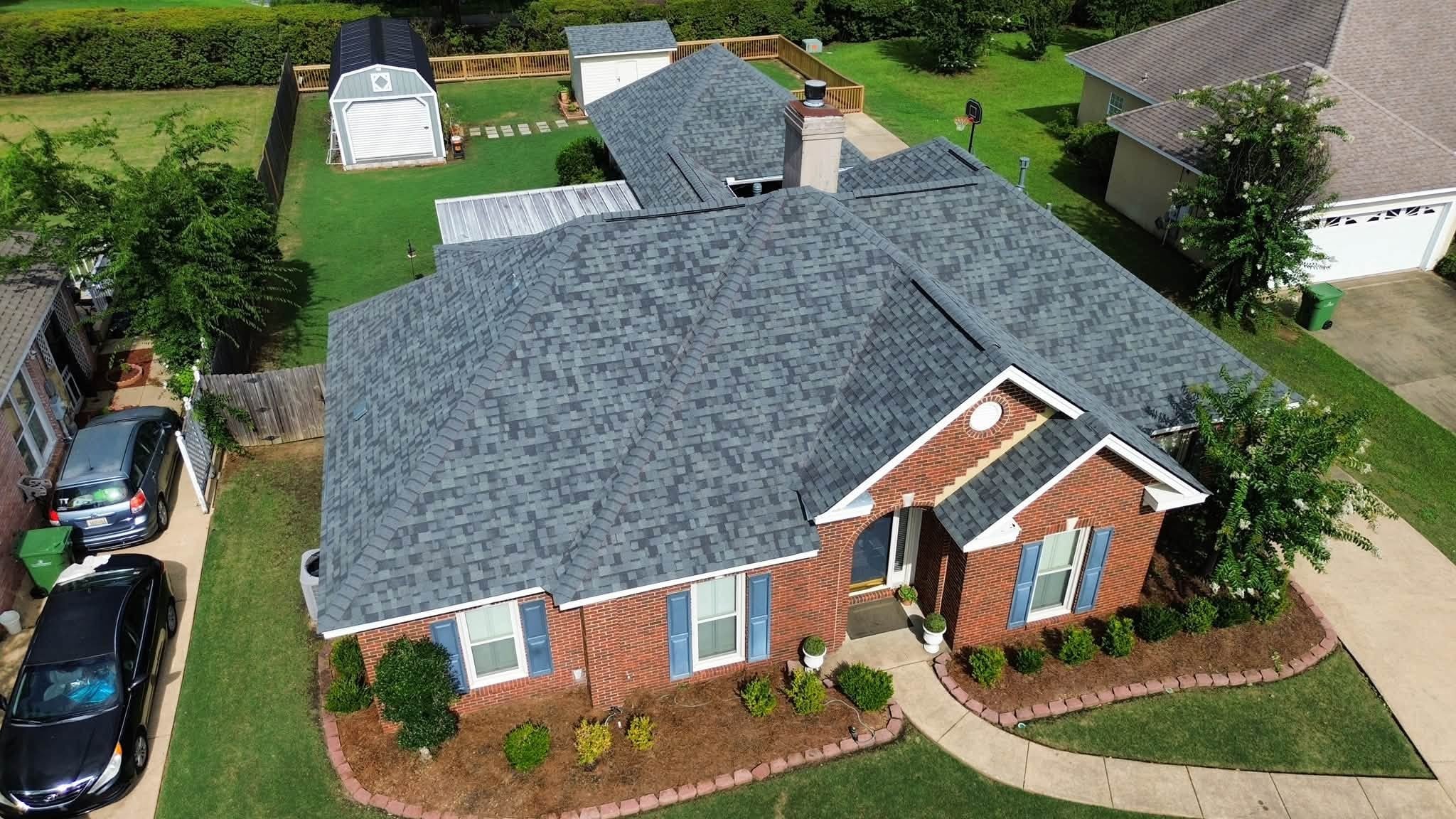
Key Takeaways
- Alabama homeowners pay significantly more for home insurance than the national average – meaning every storm damage claim carries real financial weight.
- Understanding the difference between ACV and RCV coverage before a storm hits can save thousands of dollars out of pocket.
- Documenting damage with photos immediately after a storm – before any cleanup – is one of the most important steps in a successful claim.
- Having a professional roofing contractor present during the insurance adjuster’s inspection consistently leads to better claim outcomes.
- Denied claims are not always final – knowing why claims get rejected in Alabama and how to appeal is covered further below.
Alabama’s storm season does not ask for permission. Hail, high winds, and the occasional tornado can tear through a neighborhood in minutes – and what follows is often weeks of insurance paperwork, adjuster appointments, and repair estimates. This guide breaks down exactly how to handle a roofing insurance claim after storm damage, with an eye toward what is changing heading into 2026.
Alabama Homeowners Already Pay Well Above the National Average – Every Claim Matters
Homeowners insurance in Alabama runs significantly higher than the national average – with annual premiums ranging from approximately $2,100 to over $4,800 depending on coverage level and location. That gap exists for a reason: Alabama sits in one of the most weather-exposed regions in the country. Spring and summer storm systems regularly bring hail ranging from pea-sized to golf ball diameter, and tornado activity in the state ranks among the highest nationally.
With premiums that high, letting a legitimate storm damage claim go unfiled – or accepting an underpaid settlement – is a costly mistake. A full roof replacement in Alabama can run well into the tens of thousands of dollars depending on materials and roof size, a number most families cannot absorb easily without insurance. Crimson Roofing AL works directly with Alabama homeowners through this process, helping them understand what their policy actually covers before they leave money on the table.
Know Your Policy Before the Next Storm Hits
Most homeowners do not read their insurance policy until something goes wrong. By then, the surprises are unpleasant ones. A few key details in the policy language determine whether a claim pays out fully or falls short by thousands of dollars.
ACV vs. RCV: The Difference That Costs Thousands
Replacement Cost Value (RCV) and Actual Cash Value (ACV) are the two coverage types that determine a payout amount – and the gap between them is significant.
RCV coverage pays the full cost to replace the roof at today’s prices, minus the deductible. ACV coverage factors in depreciation based on the roof’s age and condition. For a 15-year-old roof, an ACV policy may only cover a fraction of the total replacement cost – leaving the homeowner responsible for the rest.
RCV policies often pay in two stages: an initial ACV check first, then a second recoverable depreciation payment once the work is completed and documented. Many Alabama homeowners do not realize they are entitled to that second check and never collect it.
Coverage Type Payout Basis Out-of-Pocket Cost Replacement Cost Value (RCV) Today’s replacement cost Deductible only Actual Cash Value (ACV) Depreciated value Deductible plus depreciation gap
Wind and Hail Deductibles Are Often a Separate Trap
Many Alabama policies include a separate wind and hail deductible – and it is often much higher than the standard deductible. Instead of a flat $1,000 or $2,500, these deductibles are frequently set as a percentage of the dwelling coverage, typically 1% to 5%. On a home insured for $300,000, that is a $3,000 to $15,000 out-of-pocket requirement before insurance pays anything on storm damage.
This is one of the most overlooked details in Alabama homeowners policies – and it is worth locating on the declarations page now, not after a storm.
Age Limitations and What They Mean for Older Roofs
Some Alabama insurers reduce coverage on aging roofs through policy endorsements that many homeowners never notice – shifting payouts to ACV rather than RCV. A few carriers may even decline to renew coverage on roofs past a certain age. Checking the policy annually for any age-based limitations helps avoid an unpleasant discovery mid-claim.
Document Damage Before You Call Anyone
The first 24 to 48 hours after a storm are critical. Before anything is cleaned up, moved, or repaired, documentation needs to happen.
What to Photograph and Why the Date of Loss Matters
Insurance carriers require a specific date of loss when a claim is filed. That date must be tied to a documented storm event. Clear, timestamped photos and videos taken immediately after the storm create the proof of loss needed to link damage to the right event.
From the ground – not from the roof, which can be dangerous after storm damage – look for and photograph:
- Missing, lifted, or creased shingles
- Dented gutters, downspouts, and metal vents
- Granule accumulation at the base of downspouts
- Cracked roof vents or pipe boots
- Interior ceiling stains or attic water entry points
Saving local weather reports or radar screenshots from the storm date adds supporting evidence that ties damage to a specific covered event.
Emergency Tarping Receipts Can Be Reimbursed
If temporary tarping was needed to prevent further water intrusion after the storm, save every receipt. Many Alabama homeowners insurance policies allow reimbursement for reasonable emergency protective measures as part of the claim – but only if the costs are documented. Check your specific policy language to confirm this applies to your coverage.
Get a Professional Inspection First – Not After
One of the most consistent differences between homeowners who get full claim approvals and those who do not is whether they had a professional roof inspection before contacting the insurance company.
A qualified roofing contractor can identify damage that is not visible from the ground – fractured fiberglass mats, broken shingle seals, compromised flashing – and provide a written report that documents the full scope of the loss. That report becomes a powerful tool when an adjuster visits. Contractors identify hidden damage and can advocate directly with adjusters using technical language and industry-standard estimation tools, which consistently leads to better settlement outcomes.
If the inspection reveals damage that falls below the deductible, that is also useful information – sometimes handling a minor repair out of pocket is preferable to opening a claim that results in a $0 payout while still adding a loss to the insurance history.
How to Handle the Insurance Adjuster’s Visit
The adjuster’s inspection is the pivotal moment in any claim. It determines what gets covered, what gets flagged as wear and tear, and what gets missed entirely. Preparation matters.
Why Your Contractor Should Be Present
Adjusters are often handling high claim volumes – especially after a significant storm event – and may spend only 15 to 20 minutes on a roof. Having a roofing professional present ensures that subtle but meaningful damage gets pointed out: soft metal denting on vents, seal failures along ridge lines, hail bruising that looks minor but compromises waterproofing.
Bring to the adjuster meeting:
- Timestamped storm photos and videos
- The contractor’s written inspection report and estimate
- Documentation of any interior leaks
- Emergency tarping receipts
Stay engaged during the meeting. If the adjuster attributes something to normal wear, ask them to identify the specific policy language that supports that exclusion – and take notes.
Ordinance and Law Coverage: The Code Upgrade Gap
Alabama’s building codes – particularly in coastal and high-wind zones – have changed significantly over the past two decades. A roof installed 20 years ago may not meet current wind resistance or flashing requirements. Without Ordinance and Law coverage on the policy, the homeowner is responsible for paying the difference to bring the replacement roof up to code. This gap can run into the thousands of dollars and catches many homeowners off guard.
Why Claims Get Denied – and How to Fight Back
A denial letter is not the end of the road. Understanding why Alabama claims get rejected is the first step toward a successful appeal.
The Most Common Denial Reasons in Alabama
- Wear and tear determination: The adjuster attributes damage to age or deterioration rather than storm impact.
- Pre-existing damage: Older unrepaired damage from previous storms complicates the current claim.
- Insufficient documentation: No clear proof linking specific damage to a specific storm date.
- Late reporting: Waiting too long after the event raises questions about which storm caused which damage.
- Age limitations: The roof exceeds the policy’s threshold for full coverage.
Appealing a Wind Damage Denial: What Actually Works
A documented case from Mobile, Alabama illustrates the appeal process clearly: an initial claim denial for wind damage was overturned after the homeowner’s contractor provided detailed photographic evidence and a formal damage report tying the roof failures to a specific storm event – not gradual aging. The key was showing storm-specific damage patterns: directional shingle creasing consistent with wind uplift, concentrated along roof slopes that faced the storm.
Effective appeals typically include:
- A second adjuster inspection with stronger supporting documentation
- Weather records confirming the storm event on the date of loss
- A contractor report distinguishing storm damage patterns from wear and tear
- If needed, a licensed public adjuster who works for the homeowner – not the insurer
Alabama homeowners should also be aware that individual insurance policies set their own deadlines for filing claims and initiating appeals – these timeframes vary by carrier and are outlined in the policy terms. Waiting too long can remove the option to appeal entirely, so reviewing your policy’s notice requirements promptly after a storm is advisable.
In Alabama’s Storm Climate, Professional Help Is the Strongest Advantage You Have
Filing a roofing insurance claim after storm damage is rarely straightforward – especially in a state where severe weather is the norm and insurers scrutinize every submission carefully. The homeowners who come out ahead are the ones who document thoroughly, understand their policy before they need it, and work with a professional who knows how adjusters think and what building codes require.
The FORTIFIED Home program, backed by the Insurance Institute for Business and Home Safety, offers Alabama homeowners a path to stronger roofing standards that can also reduce insurance premiums – a forward-looking option worth considering as building codes and carrier requirements continue to shift into 2026 and beyond.
For Alabama homeowners dealing with storm damage or wanting expert guidance through the insurance claims process, Crimson Roofing AL offers professional roofing inspections and hands-on support from the first photo to the final payout.
Note: Homeowners throughout Central Alabama who have questions after a storm should consider scheduling a professional roof inspection before making permanent repairs or accepting an insurance settlement. A qualified roofing contractor can document storm damage, explain the claims process, and help ensure the full scope of covered damage is properly evaluated.
Crimson Roofing AL
kamryn.crimsonr@gmail.com
+1 334 336 0853
712 Richfield Road
Deatsville
Alabama
36022
United States


