
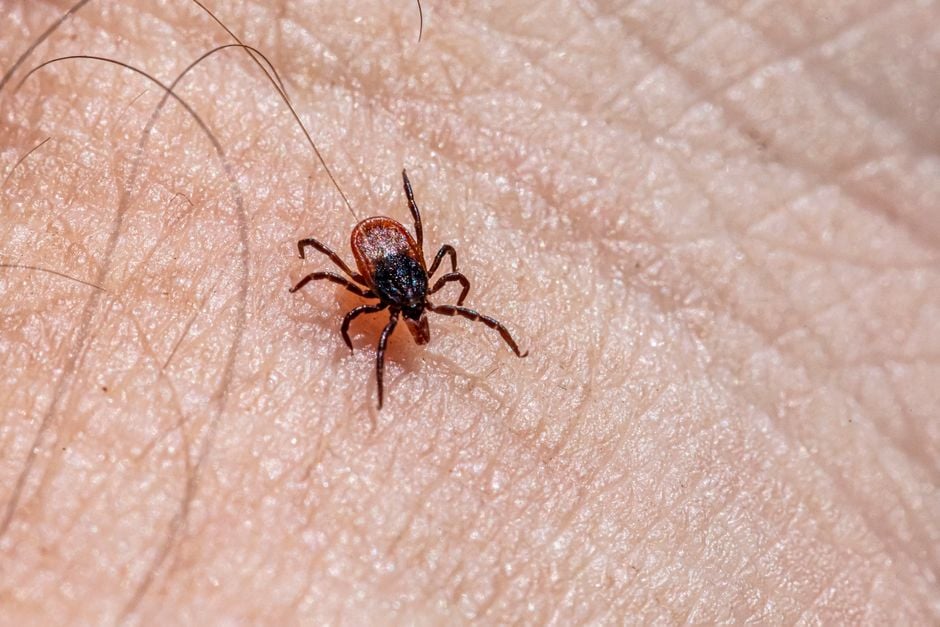
Livingston pest control takes on a particular character in summer, and if you have pets, you already know the culprits: ticks and fleas. The Piney Woods and Lake Livingston area is built for the outdoors — hiking, fishing, dog walks, time in the yard — and all of that is exactly what brings these two parasites into contact with your family and your animals. Most of the year they stay in the background, but warm weather is their season, and a small problem can escalate fast. This guide walks through how ticks and fleas spread, why they matter for your health and comfort, what you can do around the house right now, and when it’s time to call a professional.
Key Takeaways
- Fleas most often enter the home by hitching a ride on pets; wildlife and rodents can bring both fleas and ticks onto a property.
- A single female flea can lay 20 to 50 eggs per day, so infestations build quickly.
- Ticks can transmit serious illness — a single bite can lead to Lyme disease.
- Professional Livingston pest control treats the home, yard, and hidden spaces, not just the pests you can see.
- No product penetrates flea cocoons, which is why DIY treatments so often fail and a follow-up visit matters.
- Preparing your home before treatment makes the service far more effective.
How ticks and fleas find their way in
The most common entry route for fleas is simple: they ride in on your pets. A trip to the dog park, a walk through tall grass, or an afternoon in the yard can be all it takes for fleas to latch onto a dog or cat and come indoors. Once inside, they move into carpet, bedding, and furniture, and because they reproduce so quickly, what starts as a few insects can become a full infestation in a matter of weeks. Wildlife and rodents are the other major vector. When animals like raccoons, opossums, or stray cats pass through a property — sometimes drawn by pet food and water left outside — they can drop fleas and ticks into the yard without anyone noticing until the pests have established themselves.
Ticks operate a little differently. Rather than actively seeking out a host, they wait in vegetation — tall grass, brush, the edges of wooded areas — and grab onto a person or animal that brushes past. In a place like Livingston, where wooded lots and lakeside greenery are part of the appeal, that creates plenty of opportunity, especially along trails and property edges.
Know what you’re dealing with
Fleas and ticks are often mentioned together, but they’re quite different pests. Fleas are tiny, brown, and six-legged, and they attach to animals to feed on blood. Their bites usually show up as clusters of small red bumps or a line of bites, often around the ankles or on pets’ bellies and necks. Their defining trait is reproductive speed — a single female laying 20 to 50 eggs a day is what makes them so hard to get ahead of.
Ticks are larger, have eight legs, and range in color from red and brown to yellow, gray, or black. They embed their head into the skin to feed and swell noticeably as they engorge. A tick bite sometimes leaves a telltale bullseye pattern. The bigger concern with ticks is disease: a single bite can transmit Lyme disease and other serious, sometimes life-altering conditions, which is why even one tick is worth taking seriously rather than shrugging off.
Steps Livingston homeowners can take now
Summer is the time to make your property less hospitable to both pests, and much of that work is straightforward:
- Work with your vet on pet protection. Since pets are the number-one way fleas get indoors, a vet-recommended flea-and-tick regimen for your animals is the single most effective preventive step.
- Keep the yard tidy. Mow regularly, rake leaves, and clear brush and clutter, especially along the edges of wooded areas and fence lines where ticks wait for a host.
- Discourage wildlife. Don’t leave pet food or water outdoors, and secure trash, so you’re not inadvertently inviting the animals that carry fleas and ticks onto your property.
- Check pets and people after time outdoors. After hikes, yard work, or lake outings, check pets, kids, and yourself for ticks — prompt removal reduces disease risk.
- Stay on top of the indoors. Vacuum floors, sweep, and mop regularly, and wash or replace pet bedding, which is a favorite spot for flea eggs to accumulate.
These measures reduce the problem, but with fleas especially, they rarely finish the job on their own — which is where professional treatment comes in.
Why DIY often falls short
Fleas are one of the most frustrating pests to handle alone, and there’s a biological reason. Flea populations exist in multiple life stages at once — eggs, larvae, pupae, and adults — and the pupal stage is protected inside a cocoon that no over-the-counter product can penetrate. Homeowners often treat, see the adult fleas disappear, and assume the problem is solved, only to have a new generation hatch from cocoons days or weeks later. Flea bombs can actually make things worse by driving fleas deeper into hiding and leaving chemical residue on surfaces without reaching the protected stages.
When to call the professionals
Professional treatment is built around the flea life cycle rather than just the adults you can see. ABC’s tick and flea control service uses a holistic approach: technicians treat the inside of the home and the yard, then apply targeted, scientifically proven products to attics and crawl spaces where pests shelter. Crucially, the treatments include insect growth regulators, so that when eggs hatch out of their cocoons, the young fleas can’t mature into breeding adults. Because of that protected pupal stage, ABC normally schedules a follow-up appointment after the initial service to ensure the reproductive cycle is fully broken — the step DIY efforts almost always miss.
To get the most from that service, there’s some preparation involved. Before ABC’s technicians arrive, homeowners are asked to complete a pre-treatment checklist: clean all floors by vacuuming, sweeping, or mopping; rake leaves, mow the lawn, and tidy the yard; remove clutter around the home; clean or replace pet bedding as advised; and take pets to the vet to establish a flea-control regimen. Completing these steps is essential for the treatments to work effectively.
What to expect from service
Every plan begins with a complimentary inspection, and in some cases ABC can provide a quote over the phone. The company favors treatments applied with the safety of families and pets in mind, and Material Safety Data Sheets are available on request. Every technician is background-checked and completes in-house training before service calls, and because ABC employs licensed entomologists, the plan is grounded in real knowledge of how these parasites behave through their life cycle. It’s the kind of thorough, follow-through approach a family-owned company has built its reputation on since 1949.
Livingston’s outdoor lifestyle is one of the best things about living here — and it doesn’t have to come with a flea or tick problem. A combination of pet protection, yard maintenance, and professional treatment keeps these parasites off your animals and out of your home. If the scratching has started or you’ve pulled a tick off a pet, that’s the season announcing itself. Ready to take back your summer? Book a complimentary inspection with ABC Home & Commercial Services today.
ABC Home & Commercial Services Livingston
161 Robin Dr
Livingston
Texas
77351
United States


