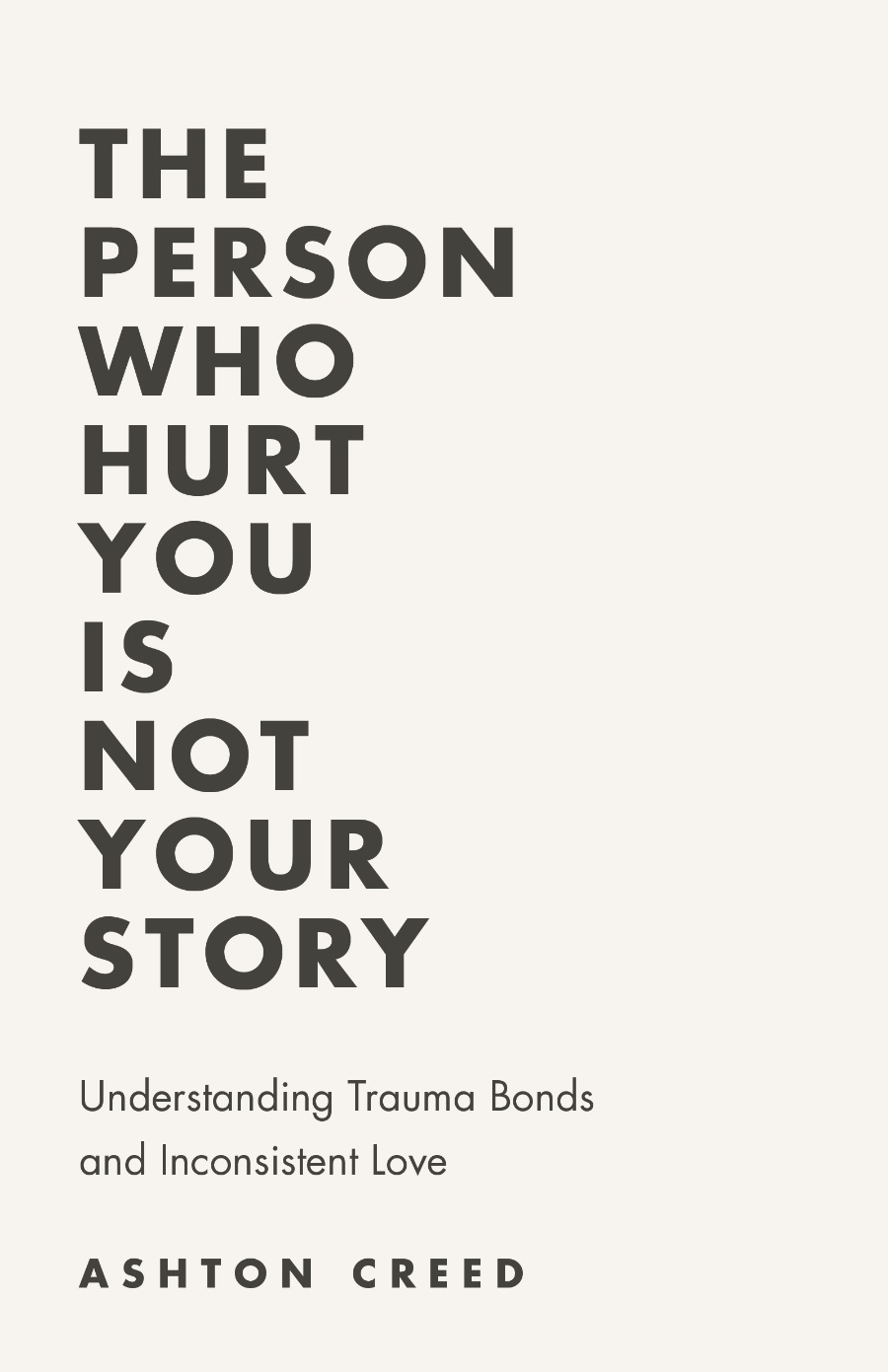
WEST HARTFORD, CT, UNITED STATES, October 11, 2026 /EINPresswire.com/ — Why does someone continue missing a person who made them feel replaceable? Ashton Creed addresses this painful question in The Person Who Hurt You Is Not Your Story: Understanding Trauma Bonds and Inconsistent Love. Through accessible psychological insight, the book helps readers understand why inconsistent dynamics can create lasting emotional attachments and why moving forward may remain difficult after the truth becomes clear.
Availability
The book is available worldwide in Kindle, Paperback, and Hardcover editions on Amazon: https://www.amazon.com/dp/B0HJ7GWG7L
Exploring the Emotional Power of Inconsistent Love
A relationship can feel deeply meaningful even when it lacks stability. Moments of affection may inspire hope, periods of distance can create anxiety, and the return of attention can strengthen the desire to stay connected. Ashton examines how this pattern affects a person’s emotions, confidence, and ability to leave. Readers are guided through the confusion that can arise when their feelings remain strong despite recognizing that the relationship caused them pain.
“You can know that someone was wrong for you and still feel bound to them,” said Ashton, author of ‘The Person Who Hurt You Is Not Your Story’. “Understanding that attachment can help you release shame, regain trust in yourself, and begin deciding what comes next.” The book is written for people who have confused longing with a sign, chemistry with safety, or emotional pain with proof that what they shared carried greater meaning. It offers language for the craving, withdrawal, embarrassment, and self-doubt that can follow inconsistent affection.
Recognizing Heartbreak Without an Official Label
A central focus of the book is the heartbreak caused by relationships that were never formally defined. These connections may include attraction, emotional intimacy, frequent communication, and expectations for the future. When they end, the grief can feel as intense as the loss of an established partnership.
Without a recognized relationship label, readers may feel that they have no right to grieve. Friends and family may also misunderstand the depth of the loss. Ashton acknowledges this often unseen heartbreak and explores why someone may mourn the person, the emotional connection, and the future they had imagined.
Following the Journey from Attachment to Healing
The book traces the emotional experience from its hopeful beginning through its painful aftermath. Chapters such as “The Beginning Feels Like Heaven,” “The Slow Unraveling,” “The Heartbreak No One Sees,” and “Losing Yourself” explore the development and personal cost of an unstable bond. Later chapters, including “Understanding What Happened,” “Why You Still Want Them,” “Awakening,” and “Healing,” guide readers toward self-awareness and acceptance. The book encourages them to examine the complete pattern of the relationship and understand why its emotional highs carried so much influence.
Readers can acknowledge that certain moments felt meaningful while accepting that the connection did not provide the stability and security they needed. This understanding can become an important step toward releasing self-blame and rebuilding personal confidence. Here is a recent article published about the book.
About Ashton Creed
Ashton Creed is a writer whose work examines the emotional complexity of attraction, intimacy, and instability. He writes about why certain attachments remain difficult to shake and how people can outgrow them without dismissing what they once felt.
Ashton Creed
Author of The Person Who Hurt You Is Not Your Story
Visit us on social media:
TikTok
Legal Disclaimer:
EIN Presswire provides this news content “as is” without warranty of any kind. We do not accept any responsibility or liability
for the accuracy, content, images, videos, licenses, completeness, legality, or reliability of the information contained in this
article. If you have any complaints or copyright issues related to this article, kindly contact the author above.

Media gallery